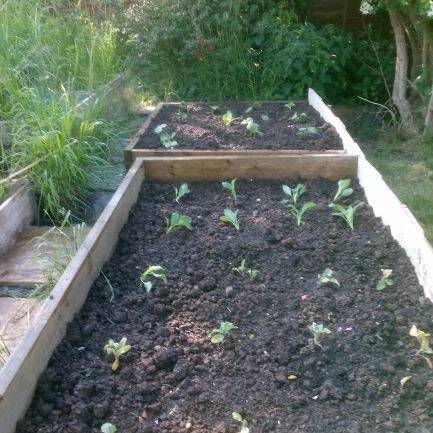
Allotments
Links to organisations of expert allotmenteers sharing their skills and knowledge.
Read More about AllotmentsFun allotment ideas for children of all ages, from digging and mud kitchens to nature hunts and growing your own food.
Allotments are magical places for children, full of colour and texture - a feast for the senses. Paths and spaces to explore, plots to dig, plants that grow and change, insects and wildlife to observe, and the opportunity to have a real, positive impact on the environment.
Whether you’re sowing seeds, spotting bees, or squelching in the mud, there’s so much to investigate, so much to learn.
Allotment visits look different depending on the age of your children. Toddlers will be happy digging, exploring and getting muddy while older children can take on more responsibility, follow a project through from seed to harvest and start to develop real skills. The ideas on this page work across a range of ages so dip in and find what suits yours.
We're not horticultural experts but we know a lot about children, outdoor play, and learning through nature. This page is packed with ideas for making allotment visits fun, enriching and memorable for the whole family.
Allotments offer something genuinely special for children. Away from screens, they get to move, dig, explore and create, with physical activity that has real, meaningful outcomes. The sensory experience alone is rich: touching soil, smelling herbs, listening to birdsong. Over time they begin to understand seasons, weather and where food actually comes from.
There's a social dimension too. Respecting neighbouring plots, contributing to shared tasks, working alongside family; all of this builds belonging, teamwork and quiet pride. And then there's the slower stuff: the patience of watering seeds and waiting, the responsibility of looking after something alive. These are genuinely formative experiences.
Explore on the Outdoor Hub
The Muddy Faces Outdoor Hub includes research & reports on the benefits time outdoors for children: Research & reports: health & wellbeing
Simple, accessible activities kids will love.
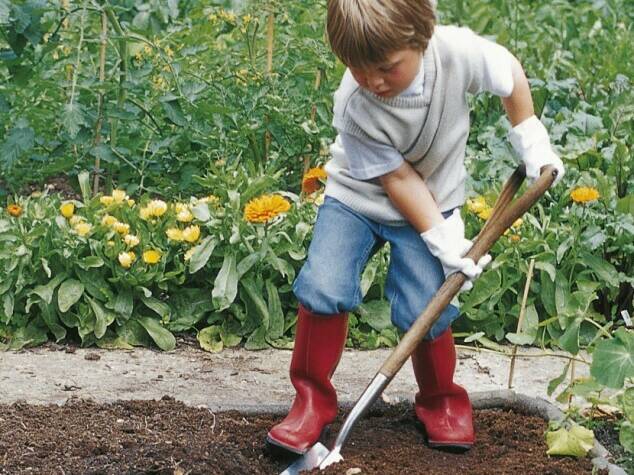
Children can spend hours digging and moving soil while you get on with other jobs. Using simple gardening tools helps develop manual dexterity and strength in fingers, wrists and arms. Even better, there are microbes in the soil that have been shown to support health.
Use a plant pot or trug to collect items – your mission could be to find things all the same colour or starting with the same letter, or a certain number of each thing – leaves or flowers, stones, sticks or other natural materials.
Teach children to only collect things that have naturally dropped rather than picking living plants, unless you give them permission to harvest from your own plot. It's a gentle way to introduce respect for the living world around them.
Hapa zome, also called leaf bashing, is a way to hammer leaves or petals to transfer their natural colours onto cloth or paper.
Sneak in some outdoor learning by challenging children to find the biggest (or smallest) leaf they can; gather a bundle of sticks then arrange them in order of length; use string to measure how round a tree is, or which is the tallest dandelion.
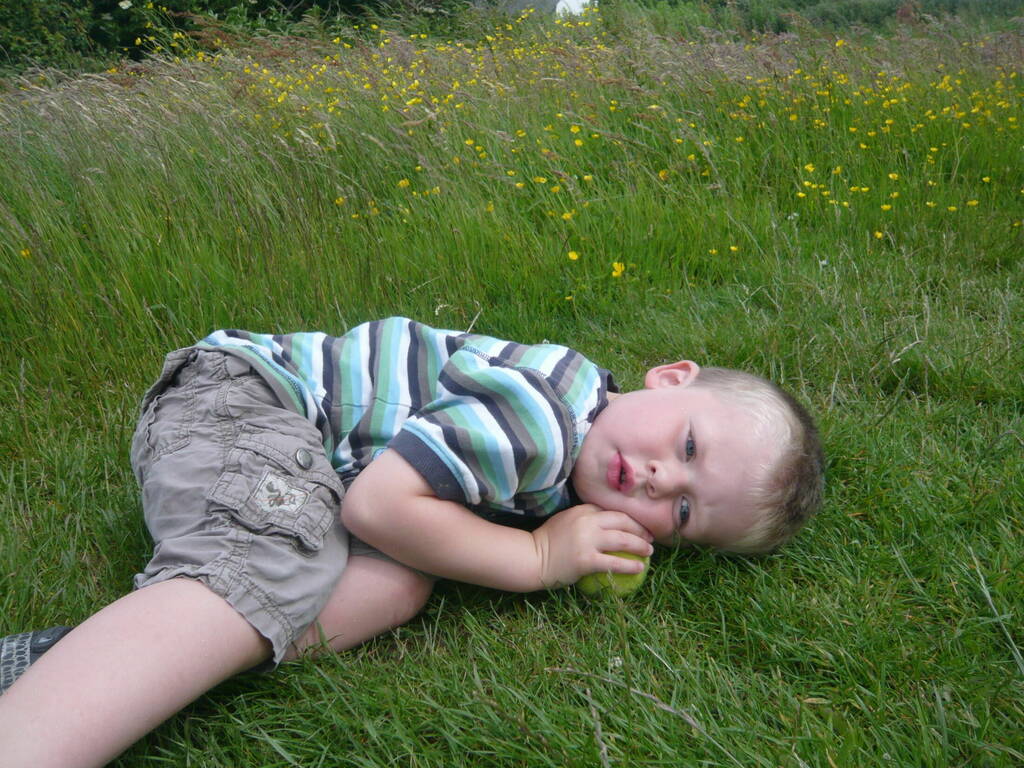
A sit spot is your own special place you can return to again and again when you want a rest or a bit of quiet. Every time you visit you’ll notice something different and how the seasons and landscape changes.
What can you hear? Birds, insects, people, traffic?
What can you feel? Wind, rain, the sun on your face, the texture of the grass?
Some people might call this mindfulness, it’s definitely a lovely way to find a moment of calm.
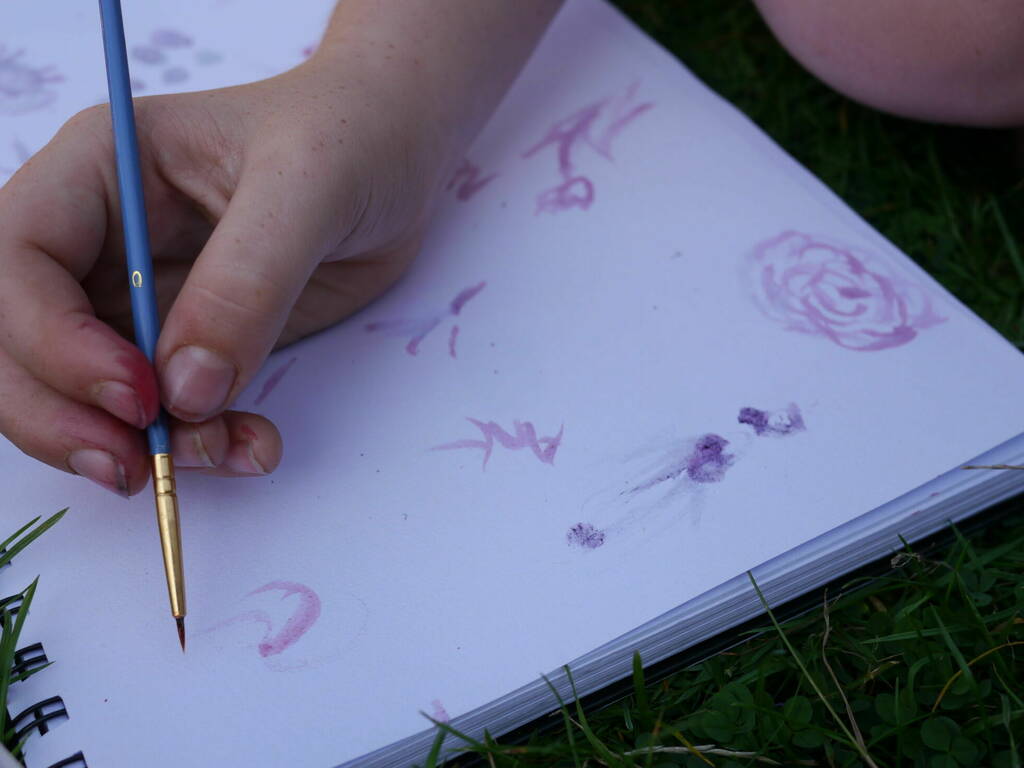
Older children may enjoy sketching plants and landmarks they see at the allotment or keeping records of what they have done. Maybe they can create a kit list of tools needed for different jobs.
Children can also press and collect flowers and leaves in the journal, keeping them as they are or using them as the starting point for creating cartoon allotment creatures. Maybe they'll write a story about the creatures who live there, or a poem about the rhythm of rain on the shed roof.
A notebook and pencil are all you need to get started.
Find an area where you can gather piles of sticks, stones, twine and natural materials. Maybe you could use old plant pots to store things in. Children will know what to do with them even if you don't!
We call these loose parts and they are a way to let children choose how they spend their time. It's great for cognitive development and building confidence.
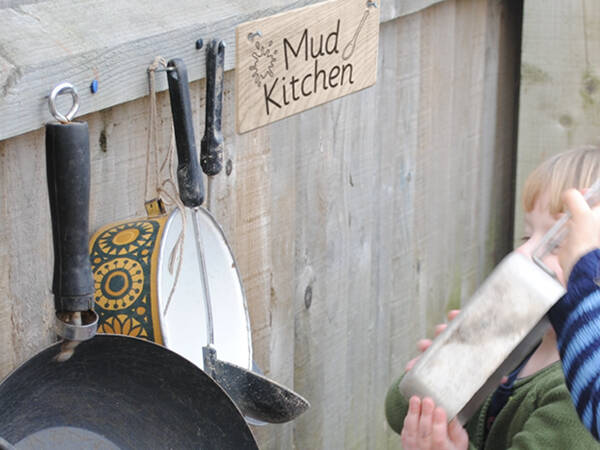
How about an outdoor music space? Hang pots and pans on a fence or the wall of a shed with old wooden spoons to hit them with. What else could be used to make fun sounds?
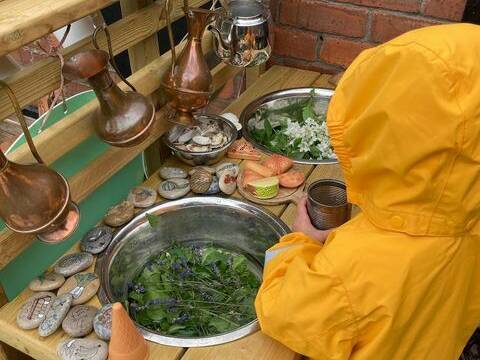
A mud kitchen doesn't have to take up a lot of space or cost a lot of money. Some logs or plastic crates holding up a plank of wood, some old kitchen utensils and away you go! If there's a tap or water trough nearby that's great, and maybe some herbs to pick to add to potions.
Getting children involved doesn't require any specialist knowledge. There are simple, satisfying jobs at the allotment that even very young children can take part in if you match the task to their abilities.
Little ones can help by fetching your gloves, choosing where things should be planted, or drawing labels when seeds are being sown. Older children can help with digging, watering plants, harvesting vegetables when they are ready and washing tools and tidying up at the end of the day.
As you work together, point out which plants are weeds and which ones can prickle or scratch. Show them what can be picked and tasted there and then, name the tools and explain what they are for. A drawn plan of what will be planted where is a great shared project, and keeping a list of what is due to be harvested when gives children a real sense of ownership.
Making decisions together about what needs doing and who can help with what builds pride and belonging. Grow together!
Tip: quick-win seeds like radishes, lettuce and herbs are perfect for keeping children engaged. Harvesting something you've grown yourself is one of the best feelings and a great way to encourage children to try new food.
Dressing for the allotment is part of the fun. Boots and weather-appropriate clothes are a must and waterproof dungarees are a brilliant option for children. Staying warm outdoors is all about layering.
A few simple habits are worth building from the start: wash hands after handling soil, respect wildlife and neighbouring plots, stay in sight of an adult and keep tools simple and age-appropriate.
While it's important to stay safe, taking calculated risks is an important part of childhood. It builds confidence and helps children learn to assess and manage hazards for themselves as they grow.
A little preparation goes a long way. Here's a handy checklist to make sure you and your children have everything you need for a great visit.
✅ Gloves and waterproof boots
✅ Weather-appropriate clothing (hat, layers, raincoat, sun cream)
✅ Water bottle and snacks
✅ Notebook, pencil and magnifying glass for exploring and recording discoveries
✅ Small bag or container for collecting natural materials
✅ Simple child-friendly gardening tools
✅ Seeds or plants to sow
Optional: mud kitchen utensils, plant pots and loose parts for play
It's also worth packing a small first aid kit and some hand sanitiser for easy hygiene after gardening.
Allotments are for everyone and you don't need to be an expert to make them brilliant for children. Try one of the activities on this page this week, let your child take ownership of a small plot, plant or project and see what happens when you observe, explore and enjoy the process together.
Have fun, get muddy, and see what you discover together!
Allotments
Links to organisations of expert allotmenteers sharing their skills and knowledge.
Read More about Allotments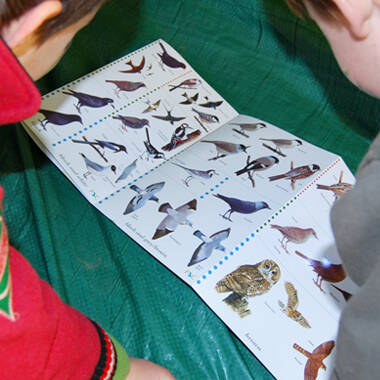
Garden & growing guides
How-tos, guides & manuals for starting an inspiring and productive growing or gardening project in your school or outdoor setting.
Arranged, as much as possible, in chronological order, most recent first
Read More about Garden & growing guides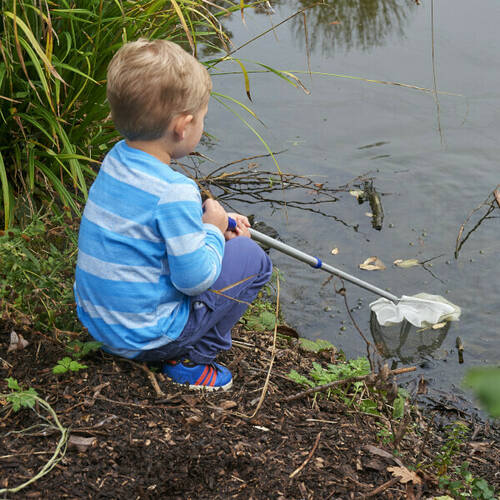
Pond guides
Ponds can be a brilliant resource for home, school, early years settings and Forest School. The learning opportunities are wide.
This page is divided into sub sections with links to pond guides; pond dipping; ponds & learning; pond safety.
Read More about Pond guides