


Research & reports on risk
Balancing & managing risk in play; reports, research, reviews & official statements.
Reports & research documents are, as much as possible, arranged in chronological order, most recent at the top
Reflecting on play in Early Years & outdoor settings that involves weapons, guns and destructive play, with an introduction to this potentially emotive subject from Nature Connected Educator Danny English.
We've gathered articles, blogs and research considering the benefits and arguments, with subsections:
- Weapons & gun play at Forest School or outdoor settings
- Weapons & gun play in the Early Years
- Research & books on gun play & weapon play
- 'destructive' play
- and further reading
Articles, if dated, are arranged in chronological order.
As someone who has spent countless hours immersed in children’s play outdoors, I’ve learned that the moments which challenge us most as adults are often the ones that teach us the most about ourselves. Gun play is a perfect example. It’s a topic that still makes many practitioners hesitate, and I understand why, I’ve been there myself. Before I began delivering Forest School, I certainly didn’t imagine spending my days being dramatically “shot” by six-year-olds wielding sticks. Yet those early surprises were what opened my eyes to the depth and meaning behind this kind of play.
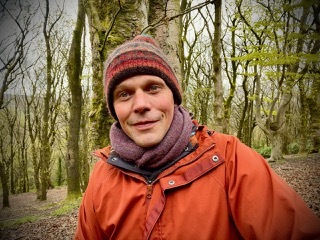
In my article below, I explore a range of perspectives on why gun play emerges and what children gain from it, so I won’t repeat all of that here. Instead, I want to highlight one key truth that has shaped my practice: children use play to process the world, in all its complexity. If we shut down the themes that make us uncomfortable, we close the door on their opportunities to understand power, conflict, bravery, fear, justice, and the emotional landscapes that sit beneath these ideas.
Of course, there are barriers. Adult discomfort, cultural expectations, worries about judgement, I’ve felt all of them. This is why reflective practice matters so much. When we pause long enough to notice what’s being stirred in us, we can respond from a place of curiosity rather than fear, connection rather than control. That’s the moment we step into true facilitation.
Forest School and outdoor settings place us in a uniquely powerful position in this conversation. The natural world offers space, freedom and narrative possibility that children instinctively use to explore big stories and big feelings. Our role is to protect that space, to nurture it, and sometimes, to fall dramatically to the forest floor with an over-the-top “aarrrghhhhhh!” - because in that moment, we’re honouring their play, their meaning-making, and their right to be fully themselves.
"Destructive play can be a tricky thing to manage as a Forest School practitioner. Keeping the balance between play at Forest School and caring for the site can take some reflection and value judgement ... During our adventures this week we received some lessons from teenagers at play which got us thinking about this." Forest School Lou, February 2022.
Research & reports on risk
Balancing & managing risk in play; reports, research, reviews & official statements.
Reports & research documents are, as much as possible, arranged in chronological order, most recent at the top
Risk videos & podcasts
Videos and podcasts discussing the importance of risky play.
Read More about Risk videos & podcasts
Risk articles
News, articles & other literature looking at the importance of risk in play.
Arranged in chronological order, most recent at the top