Social Media

You can find me on the following social media platforms...

Muddy Faces

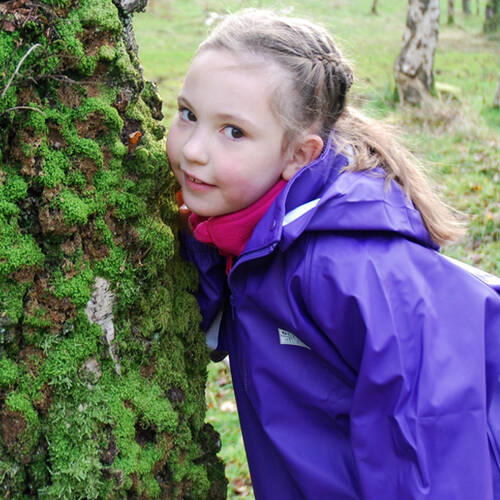
What is Forest School?

Forest School is a child-led approach to outdoor play and learning for children and young people from Early Years through to Primary, Secondary and beyond. It takes place through regular sessions in a natural environment where participants are supported to explore, learn, develop skills and build confidence over time.

The Forest School movement continues to grow in the UK and internationally, supported by a growing body of evidence highlighting benefits for wellbeing, confidence, resilience, learning and connection with nature.

Outdoor Hub

Forest School embraces the outdoors as an inspirational learning environment.

It focuses on the needs, interests and learning journey of each child rather than specific outcomes, enabling children to explore and experience the natural world on a regular and sustained basis.

Forest School provides a unique way of building confidence and self-esteem, learning new life skills and promoting independence through hands-on learning experiences.

  • Forest School provides a unique way of building confidence and self-esteem, learning new life skills and promoting independence through hands-on learning experiences
  • Forest School programmes are child-led – areas of interest are generated by the children or young people participating. This is achieved through observation and reviewing, which helps practitioners prepare for their following sessions
  • Forest School sessions take place regularly, ideally once a week, throughout the year, in all seasons and all weathers – unless it is dangerous for the session to take place, such as in extreme weather (high winds or lightning)
  • Many Forest School projects successfully integrate the school curriculum whilst following the interests of the group or individuals. This is achieved by considering the curriculum in an enabling outdoor context, using learning and teaching strategies which raise confidence and develop communication skills
  • Where Forest Schools excel is in supporting the individual. The Forest School ethos acknowledges individual learning processes and supports participants at their own pace, and responds to their requirements and areas of interest. It encourages individuals to build up to a point where they feel they can push their own limits both physically and emotionally. Forest Schools provide a safe yet challenging and stimulating environment full of sensory diversity
  • At Forest School the participants are actively involved with how the programmes develop. This makes experiences relevant to them and has a direct effect on motivation, causing the learning experience to be more emotionally-involved and the learning then rooted more deeply .

Watch: What is Forest School?

A video from The Forest School Association, June 2020 (5 mins 43).

Watch: Why do Forest School? - Rewilding Childhood

Inspiring clip from Forest School Lou, May 2023. (2 mins 40)

In this Forest School training clip I share why I do Forest School and how through rewilding childhood we can support people to find their creative genius and change the future of humanity for the better.

See also

Forest School principles

What are the Forest School principles?

The six Forest School principles provide a shared framework for quality Forest School practice and outdoor learning for children from Early Years to Primary & Secondary schools and more.

Agreed by the UK Forest School community in 2011, the principles describe the ethos, values and working practices that underpin Forest School.

Read More about Forest School principles

Benefits of Forest School

What are the benefits of Forest School?

Forest School supports children from Early Years & Primary to be happy, healthy and thriving through regular opportunities to play, learn and connect with nature outdoors.

Forest School can support physical health, emotional wellbeing, confidence, resilience, social development and connection with the natural world.

The benefits are many and far-reaching, but can sometimes be difficult to measure. Below we explore some of the key ways Forest School can support healthier bodies, healthier minds, healthier environments, healthier communities and a healthier future.

Scroll down to find out more about evaluating work outdoors.

Read More about Benefits of Forest School

Forest School research & evidence

What does the evidence tell us about Forest School?

Forest School can support children's wellbeing, confidence, resilience, social development, learning and connection with the natural world through regular opportunities to play, learn and explore outdoors.

Research into Forest School continues to grow. Studies, evaluations and practitioner research suggest Forest School can have positive impacts on children's physical and emotional wellbeing, confidence, nature connection and engagement with learning.

We have gathered together research, reports and evaluations from academics, universities and organisations exploring the quantitative and qualitative benefits of Forest School.

This is not an exhaustive list and new research continues to emerge. If you know of research we should include, please contact us at share@muddyfaces.co.uk

These reports and research are, as much as possible, arranged in chronological order, most recent at the top.

Read More about Forest School research & evidence

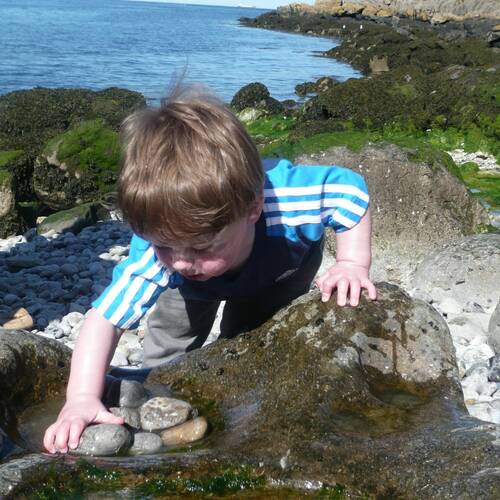
Beach School

With an ethos very similar to Forest School, Beach School (also sometimes called Coastal School) offers a different natural environment to it's participants, and specialist training for its leaders.

We've gathered some useful articles and information pages, and included links to individual projects where we feel descriptions of how they work add to our understanding of Beach School provision.

Read More about Beach School

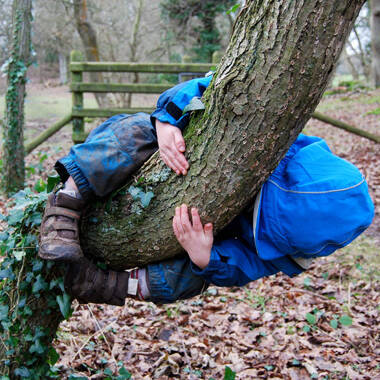
Why forests & woods?

Why are woods important in Forest School?

Woods and forests provide rich, natural environments that support exploration, creativity, physical activity, confidence, nature connection and child-led learning.

The ethos of Forest School can be applied to any outdoor environment, whether in a field, school grounds or on a beach. However, wooded environments offer a unique combination of sensory diversity, natural materials, seasonal change and opportunities for discovery that make them particularly valuable for Forest School.

Read on for reflections and research exploring why woods and forests can be such powerful places for learning, development and wellbeing.

Read More about Why forests & woods?

Nature connection

Early Years and primary school children thrive when they can access nature - it impacts their physical and mental development & wellbeing.

Find out about Nature Connection & Nature Deficit, with research, reports & videos; books, articles, videos & useful websites, and the Nature Premium campaign.

Read More about Nature connection
Return to top

Newsletter

Keep in touch

Register to receive our free email newsletter, full of outdoor inspiration, dates, deals and competitions.