

Social Media

You can find me on the following social media platforms...

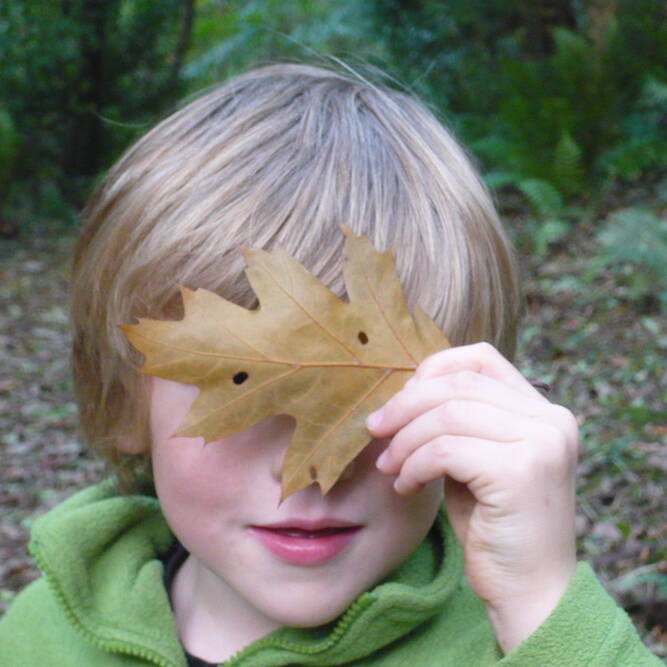
Muddy Faces

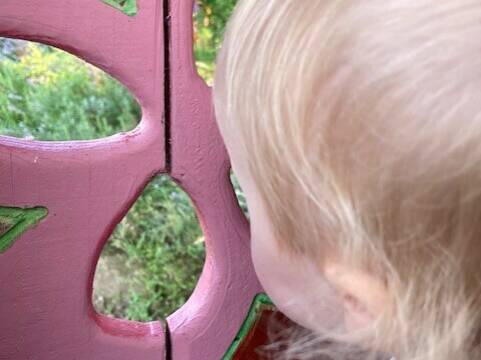
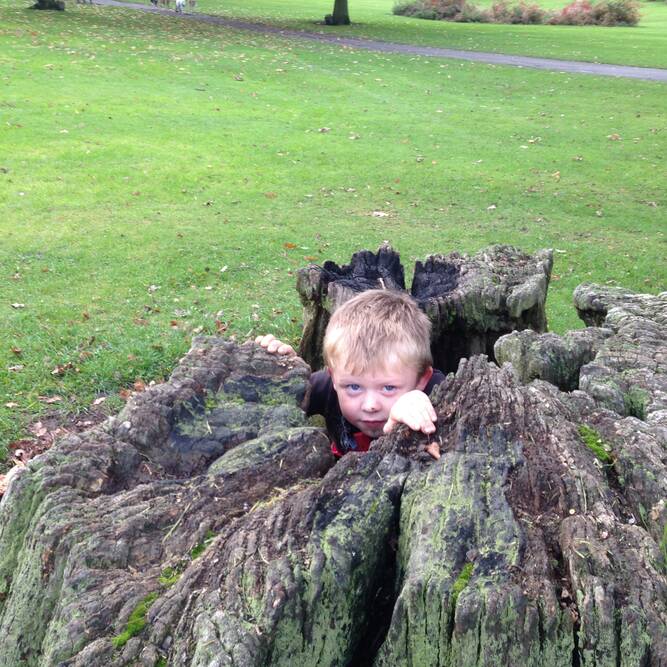
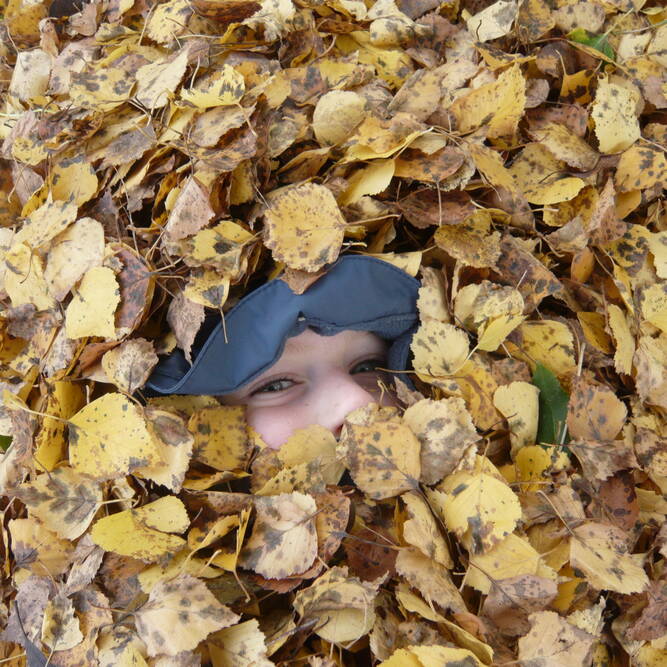
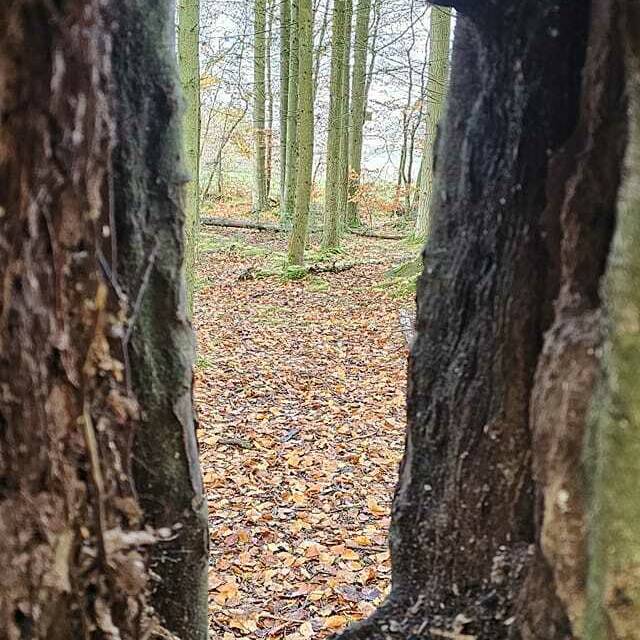
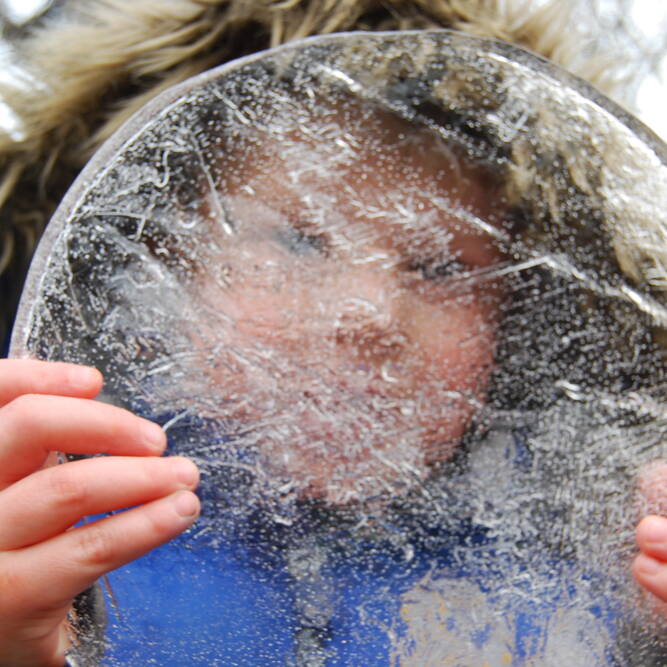
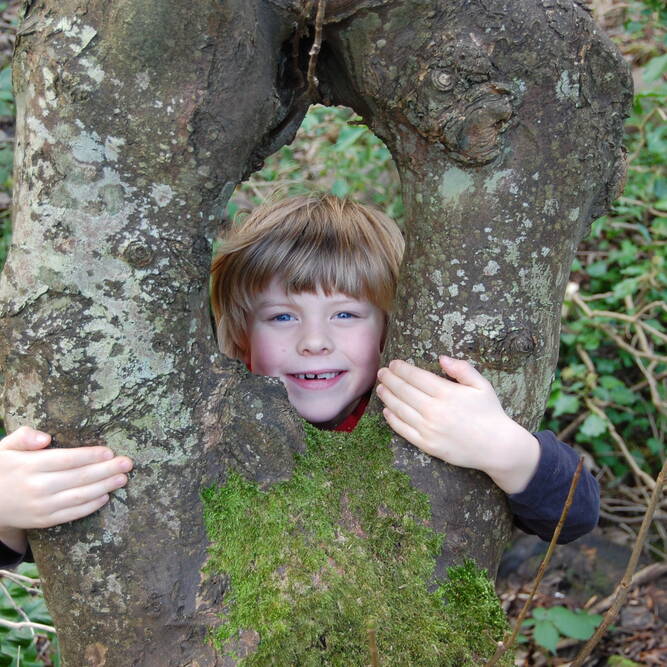
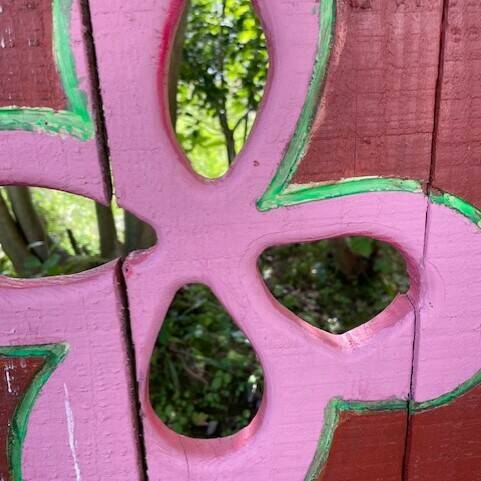
Peepholes

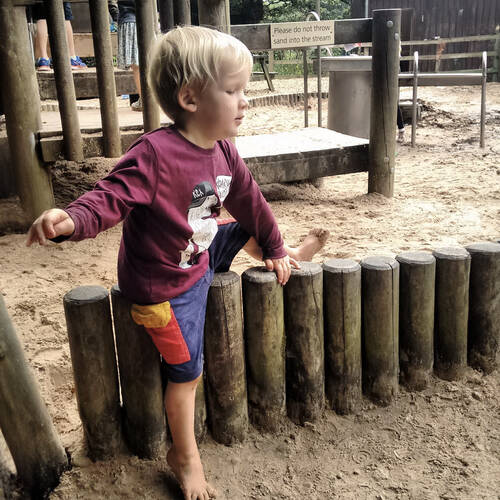
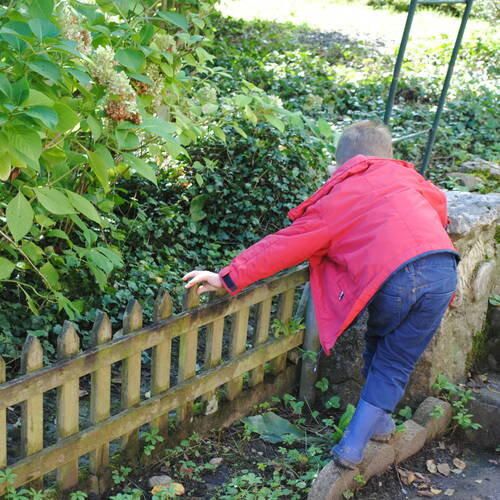
Active Boundaries: children in the Early Years (and of all ages) have an endless fascination with exploring boundaries; given the opportunity they will actively cross over, under or through them.

graphic of the word 'through' with an arrow pushing through the 'o'

Children are drawn to peepholes because they satisfy their natural curiosity, offer a sense of discovery, provide a feeling of control, stimulate imagination, and can be part of playful interactions.

Outdoor Hub

Anne thompson 2

Curiosity

Children are naturally curious and peepholes provide an element of mystery. They want to see what's on the other side and discover the hidden or unknown.

A hatch or covered peephole offers a sense of discovery and exploration. Opening a peephole reveals a new perspective or view, and children enjoy the excitement of finding something unexpected.

Thanks to Ann Thompson from Naturally Creative Early Years consultancy.

Peephole wall

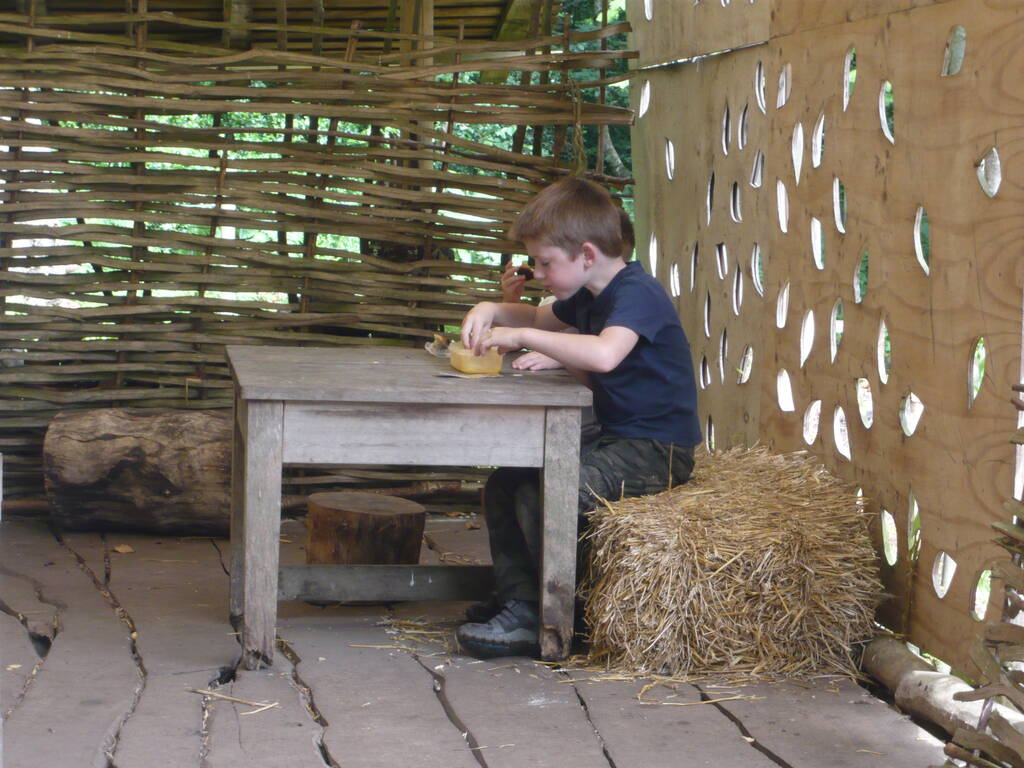
Home made peephole wall

While the boys in this photo are more engrossed in their snacks, it serves as a noteworthy example of a homemade peephole wall - a simple board with lots of holes in it.

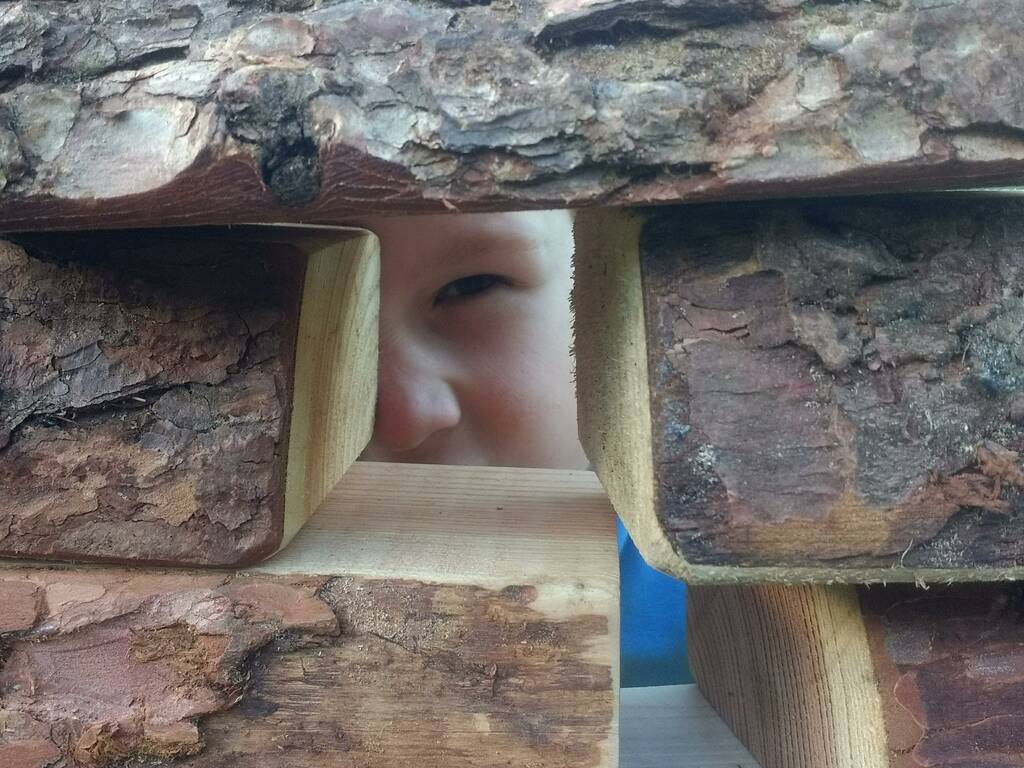
Rusticbuildingblockpeeking

Build your own peepholes

There's nothing quite as satisfying as constructing your own large-scale creation and then enjoying the unique pleasure of peering out.

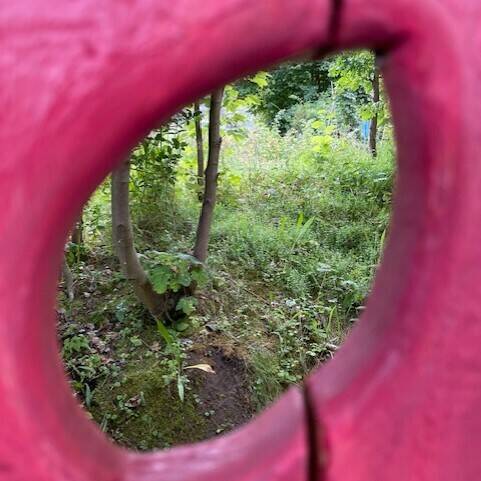
A selection of peepholes

See also

Active Boundaries

Active Boundaries create outdoor environments that actively encourage children to move, climb, crawl and explore. By embedding physical activity into everyday play, they support the development of fundamental movement skills and increase activity levels across the school day.

The world is full of boundaries and edges, physical and social, which children need to explore and interact with to understand. Active Boundaries use this natural instinct to promote movement, challenge and discovery.

Discover how Active Boundaries can support physical activity.

Explore the full Active Boundaries range and create an active outdoor learning environment in your school today.

Read More about Active Boundaries
Paths & edges

Active Boundaries: children in the Early Years (and of all ages) have an endless fascination with exploring boundaries; given the opportunity they will actively cross over, under or through them.

graphic of the word 'through' with an arrow pushing through the 'o'

"Pathways speak loudly to children and they are compelled to respond to them."
Wilenski & Wending, 2013.

We possess a natural inclination to follow pathways as they provide secure passage through unfamiliar terrain. By traversing, balancing along edges or encountering boundaries, children actively develop their cognitive skills, broadening their ability to think and operate in both two and three dimensions.

Read More about Paths & edges

Loose parts, dens, block & ramp play

Turn your outdoor space into an active learning environment with loose parts play, den building and block play. Learn how these approaches boost physical activity, support child development, and provide impactful ways to use PE and Sports Premium funding in EYFS and primary schools.

Read More about Loose parts, dens, block & ramp play
Return to top

Newsletter

Keep in touch

Register to receive our free email newsletter, full of outdoor inspiration, dates, deals and competitions.