10 benefits of mud play
Mud play is a simple, accessible and powerful part of outdoor learning and outdoor play. It offers children rich opportunities to explore, create and connect with the natural world through hands-on, open-ended experience.
✋ A rich sensory experience
Squishing, mixing and shaping mud engages touch, movement and the senses in a fully embodied way, supporting children to explore materials deeply.
💪 Supports physical development
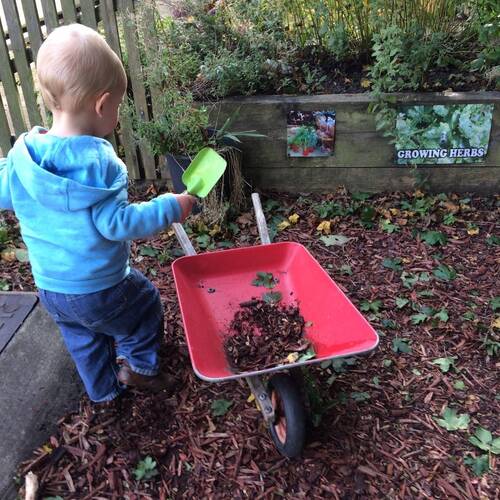
Digging, lifting, pouring and manipulating mud helps build strength, coordination and fine motor skills.
🎨 Encourages creativity and imagination
Mud is an open-ended material. Children can invent, transform and create freely without fixed outcomes or expectations.
🔍 Promotes exploration and curiosity
Mud naturally invites investigation – mixing water and soil, observing change, and experimenting with cause and effect.
🧠 Supports problem-solving and thinking skills
Building, balancing, mixing and testing ideas through mud play encourages early scientific thinking and problem-solving.
🧑🤝🧑 Encourages social interaction
Shared mud play supports communication, cooperation and collaborative play, as children create and explore together.
🌿 Builds emotional wellbeing
Mud play can be calming, absorbing and joyful. Immersive, hands-on play supports emotional regulation and a sense of wellbeing.
🌍 Supports connection to nature
Direct contact with soil and natural materials helps children develop familiarity with and care for the natural world.
🌀 Focus on child led learning, not outcome
There is no right or wrong way to play with mud. It supports exploration, experimentation and confidence in trying things out.
🌱 Supports health and resilience
Exposure to soil and natural environments can support immune development and contribute to overall health and resilience.
🌿 Bringing mud play into your setting
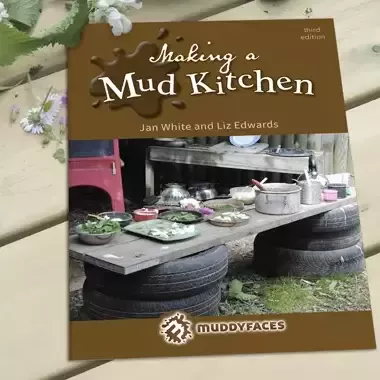
Mud play doesn’t require specialist equipment or large spaces. A simple patch of soil, access to water and a few basic tools can create rich opportunities for learning and play.
Whether in a nursery garden, school grounds, Forest School site or home space, mud offers children the chance to explore, create and connect through direct experience.