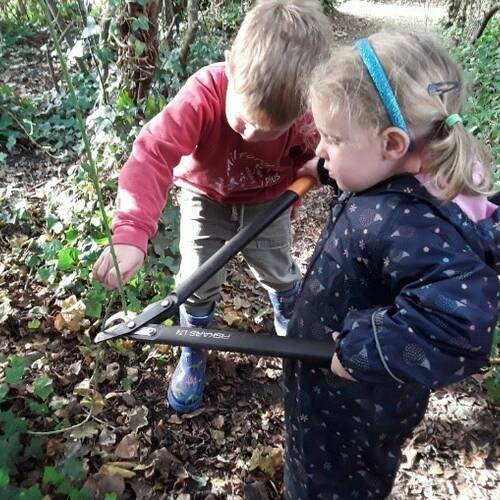
Children at the allotment
Fun allotment ideas for children of all ages, from digging and mud kitchens to nature hunts and growing your own food.
Read More about Children at the allotmentGardening tips from Menna Godfrey, Early Years Teacher & director at Outdoors Thinking.
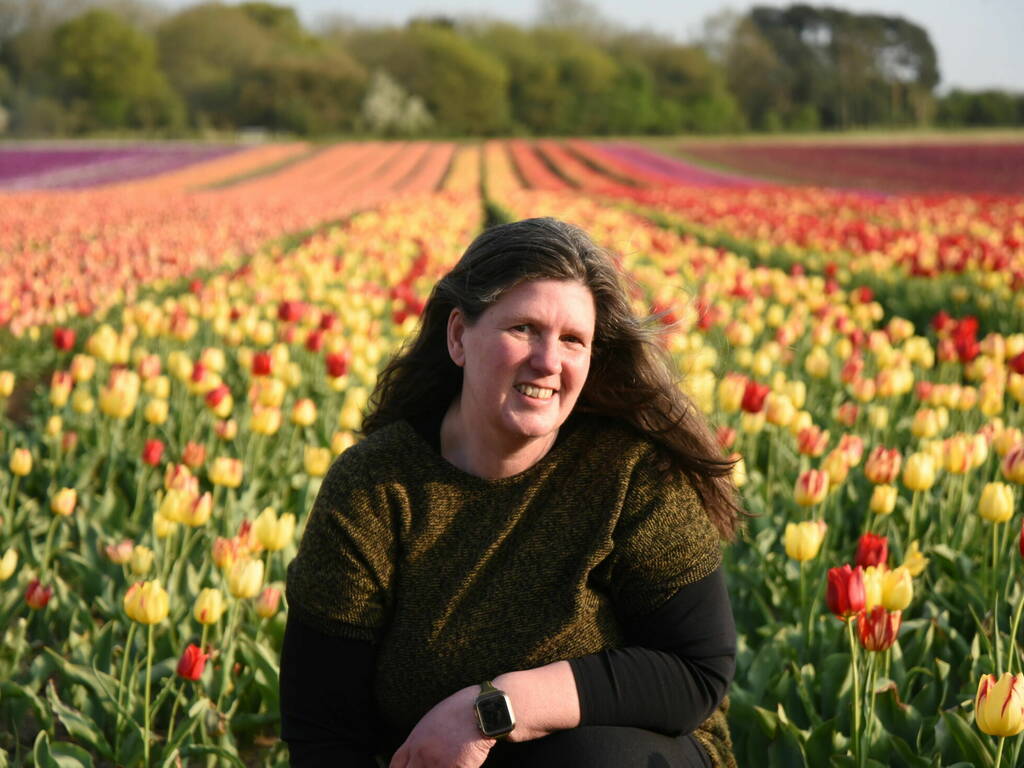
In collaboration with Menna Godfrey from Outdoors Thinking, we've put together some tips and practical ideas to help children build a meaningful, lasting relationship with the natural world.
In today's fast-paced world, supporting children's physical and mental well-being matters more than ever. Time spent outdoors has been shown to lower anxiety, lift mood, boost concentration, and increase physical activity. Simply being in green spaces and noticing the natural world around them can deepen children's sense of belonging to something bigger than themselves.
Tips to get children growing and connecting with the natural cycles of the garden
Gardening offers opportunities for children to explore their curiosity about the natural world. This highly sensory experience can help develop gross and fine motor skills. Additionally, children develop a sense of responsibility as they care for plants, and patience as they wait with anticipation for the signs of growth. It also opens the door to a deeper connection with the seasons and the natural cycles of growth and renewal.
Try saving seeds in the autumn to plant the next spring, a simple but powerful way for children to feel part of the rhythm of the seasons. Keeping a photo diary will help. Pumpkins are great for this.
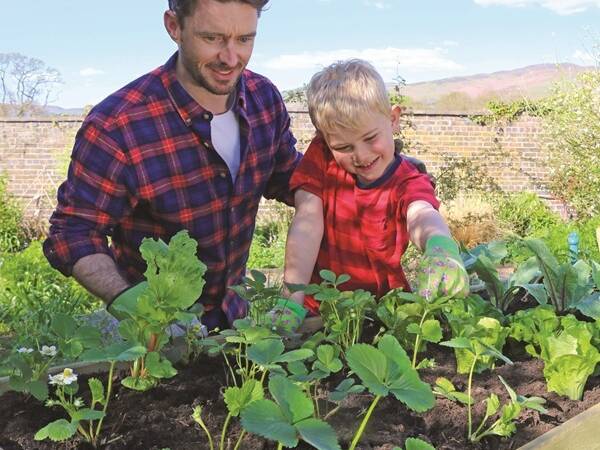
A simple tip for any outdoor space: planters and raised beds enable gardening to take place on any surface. Position them so that children have easy access from all sides. This means all the space can be planted, and children can observe the developing seedlings from close quarters.
Tips to keep children engaged with what they grow
Keep children's interests by planting fast growing plants, such as herbs, that they can enjoy harvesting and eating. You could share any excess plants that germinate with parents or a community garden.
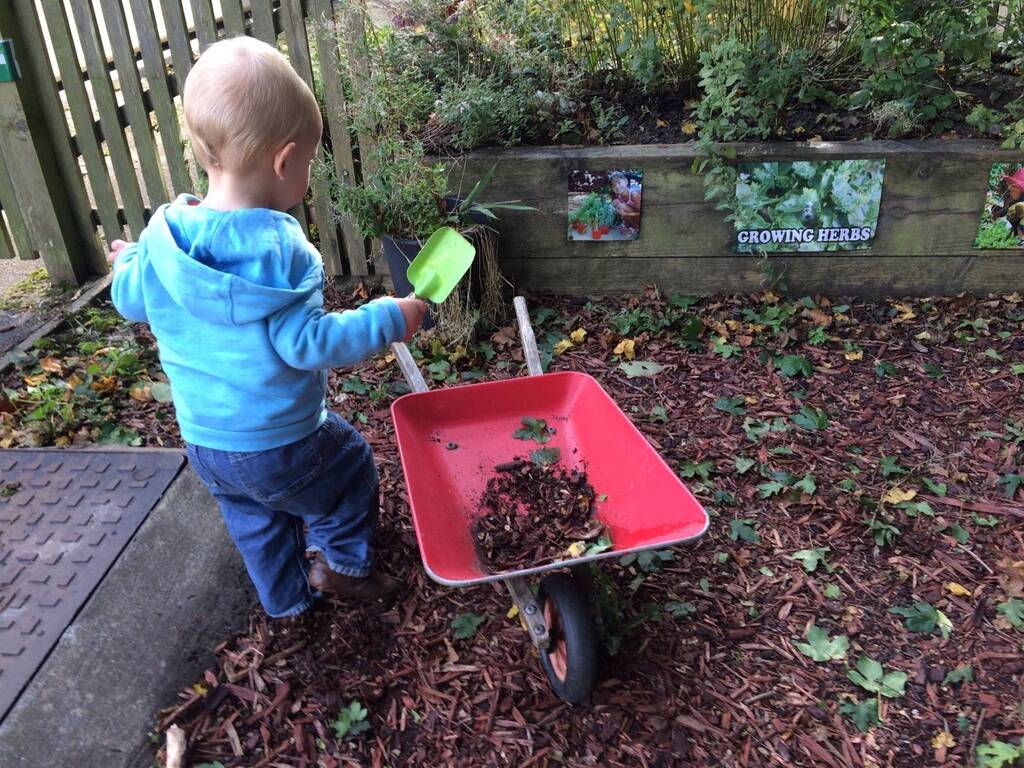
Young children love to transport items, especially when it is authentic work alongside adults. Provide wheelbarrows and buckets to facilitate this.
A tip to keep things organised so children can be independent
Store your resources (spades, trowels etc.) in sheds and on shelves so children know where they will find them and where to put them away.
Some ways to spark children's curiosity about minibeasts and encourage a sense of care for living things
What's more fascinating than a tiny creature that moves on its own? Take time to follow children's interests around minibeasts, offer bug viewers and magnifying glasses to encourage close observation and help identify their features.
For older children, provide guides to support them in identifying the creatures they find. Close observation helps develop knowledge and encourages the desire to care for animals and the environment in which they live, and to create habitats for the creatures they find.
Encourage children to create their own names for the creatures they see or find in the garden based on their features, rather than rushing to give them official names, for example "red-spotted bug" or "crumb stealer."
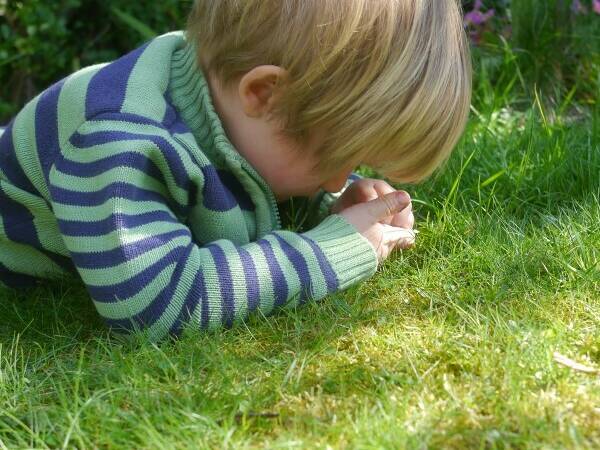
Young children are remarkably adept at catching small creatures! Bug viewers will keep minibeasts safe while they are being observed. Remind children to return minibeasts to where they found them, or to a bug hotel, helping them see themselves as stewards of the natural world.
Ideas for encouraging children to notice and appreciate the birds around them
Watching birds for a few minutes each day can improve wellbeing and make us feel happy.
Children will soon learn that birds fly away when approached, so provide hiding places and binoculars so that they can watch from a distance.
Singing bird toys with authentic calls can help children match the song to the bird.
Place bird feeders within sight of a window or bird hide so children can enjoy watching these feathered friends. They will start to notice the features of different birds and recognise them even when they're away from the feeders.
Making time to listen for birdsong can reduce stress levels for children and adults. These small, quiet moments of watching and listening are often where the deepest connections with nature take root.
Children at the allotment
Fun allotment ideas for children of all ages, from digging and mud kitchens to nature hunts and growing your own food.
Read More about Children at the allotment
Nature connection
Early Years and primary school children thrive when they can access nature - it impacts their physical and mental development & wellbeing.
Find out about Nature Connection & Nature Deficit, with research, reports & videos; books, articles, videos & useful websites, and the Nature Premium campaign.
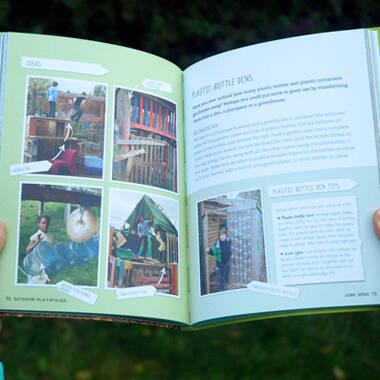
Guides: nature play & nature connection
How-tos, guides & resources for nature connection and nature play.
Arranged, as much as possible, in chronological order, most recent first.
Read More about Guides: nature play & nature connection