🎂 Celebrating David Attenborough
Marking 100 years of Sir David Attenborough, our Founder and Director Liz Edwards shares a personal reflection on his influence and why helping children connect with nature has never mattered more.
Our July newsletter explores what happens when children and nature thrive together.
Keep up to date - get these newsletters delivered directly to your inbox- sign up here.
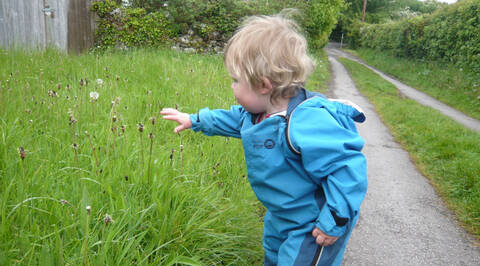
In the height of summer, outdoor spaces come alive, offering children the freedom to move, explore, notice and connect in ways that simply can’t be replicated indoors. These evolving environments don’t just support play, they nurture wellbeing, curiosity and a lifelong connection with the natural world.
Summer also brings opportunities to slow down and engage with nature in more intentional ways. With the Big Butterfly Count taking place this July and August, children can become young observers, spotting wildlife, noticing patterns and developing an appreciation for the world around them. These simple moments of discovery are often where the richest learning begins.
When outdoor spaces are thoughtfully developed, they become more than areas to play. They become places where children and nature thrive together. As David Attenborough reminds us, a love for the natural world begins with experience, and that starts in settings like yours.
This month, we invite you to reflect:
What is your outdoor space offering your children right now?
And what could it become?
Let’s grow something meaningful, together.
Liz Edwards
Founder, Muddy Faces
As outdoor spaces come into their own this summer, it is the perfect moment to reflect on what makes them truly meaningful. Not their size or appearance, but how they invite children to explore, connect and grow.
Developing outdoor environments isn’t about complexity. It is about creating spaces that feel alive, adaptable and full of possibility, shaped by natural materials, seasonal change and everyday moments of discovery.
Focus on how it is used, not how it looks. Small changes can have a big impact.
Logs, soil, plants and loose items invite exploration and open-ended play.
Spaces that evolve over time remain engaging and responsive.
Areas for watching insects, plants and wildlife encourage curiosity and care.
Give children the freedom to move, choose and shape their play.
Active, quiet and creative spaces all have their place outdoors.
Design spaces that work all year round, adapting to weather and seasons.
Choose natural, durable materials for long-term use.
Outdoor play is about exploration, connection and process.
Well-designed outdoor environments support children, practitioners and the wider community.
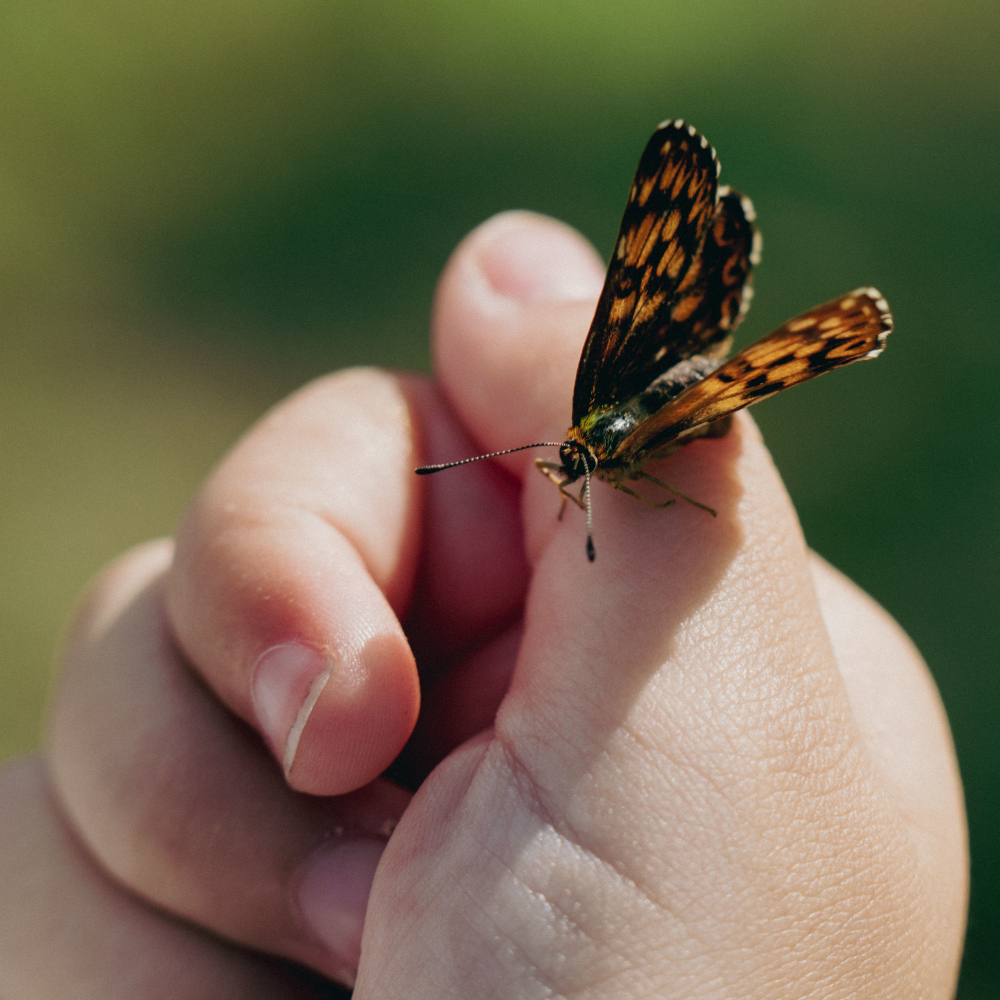
These events focus on some of the most visible and accessible forms of local wildlife, encouraging children to observe, notice and record species in their own outdoor spaces.
17 July - 9 August: Big Butterfly Count
18-26 July: National Moth Week
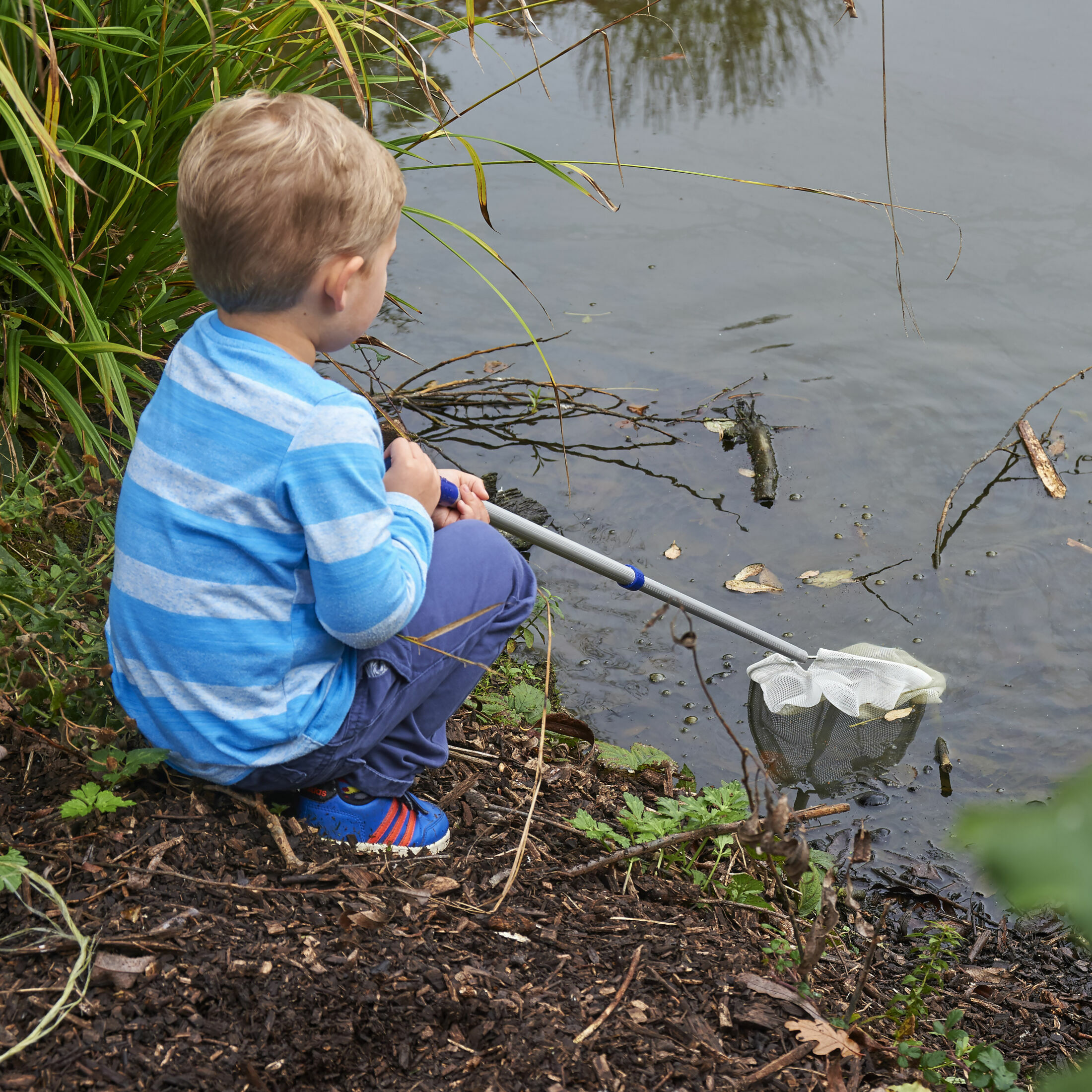
From bogs and rivers to coastlines and the open sea, these events focus on wet environments and the wildlife they support, offering simple ways to explore these habitats with children.
25 July - 9 August: Big Seaweed Search
25 July - 9 August: National Marine Week
26 July: Bog Day
Throughout September: Big River Watch
Guidance and links to support developing and evolving outdoor environments in your setting.
A collection of ideas to support child-led, nature-focused outdoor learning and play.
Guidance on creating and managing ponds to support wildlife and outdoor learning in your setting.
Our approach to sourcing and supplying sustainably managed UK-grown wood, supporting durable outdoor environments and responsible use of natural materials.
A global movement encouraging small changes to reduce plastic use and support more sustainable approaches.
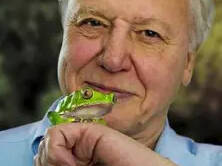
Marking 100 years of Sir David Attenborough, our Founder and Director Liz Edwards shares a personal reflection on his influence and why helping children connect with nature has never mattered more.